Awards Intelligence

MBE stands for Member of the Most Excellent Order of the British Empire and is a prestigious award within the British honours system, recognising individuals for significant achievements or service. You cannot apply for an MBE yourself. To get an MBE, someone who knows your work must nominate you, setting out your achievements in a detailed nomination with supporting letters.

We help families, organisations and individuals to put forward a comprehensive, accurate and in-depth presentation of their nominee’s achievements in order to give them the best chance of getting the recognition they deserve.

Every nomination we undertake is unique, reflecting the nature of the individual’s successes, commitments and expertise. Our consultants research the nominee independently and spend on average over 150 hours working on each nomination to ensure it is as detailed and in-depth as possible – giving the nominee the best possible chance of success. With nearly 20 years of experience, our support will save you valuable time and significantly increase your chances of success. The average success rate is just 10%. Our success rate is 68%.

All nominees are assessed independently and informally by our experts against the King’s honours criteria to ensure their achievements are appropriate before we start an MBE nomination.

What is an MBE?

An MBE, or Member of the Most Excellent Order of the British Empire, is an honour awarded by the King for outstanding achievement or service to the community. It recognises people who have made a substantial contribution at a local or regional level, often through long-term, innovative or entrepreneurial service that has had a positive impact on their industry or community.

Of the approximately 2,000 honours awarded each year, around 800 are MBEs, making it the most frequently awarded rank of the Order across both the New Year and King’s Birthday Honours lists.

The MBE was established by King George V in 1917 alongside the other ranks of the Order, originally to recognise the contributions of those supporting the war effort in primarily non-combat roles. In the modern day, recipients may be acknowledged for their outstanding service in community development, charitable work, or various fields, emphasising the importance of recognising excellence in diverse contexts. Notable MBE recipients include individuals like Ed Sheeran, who not only has a successful music career but has completed countless acts of service for charities.
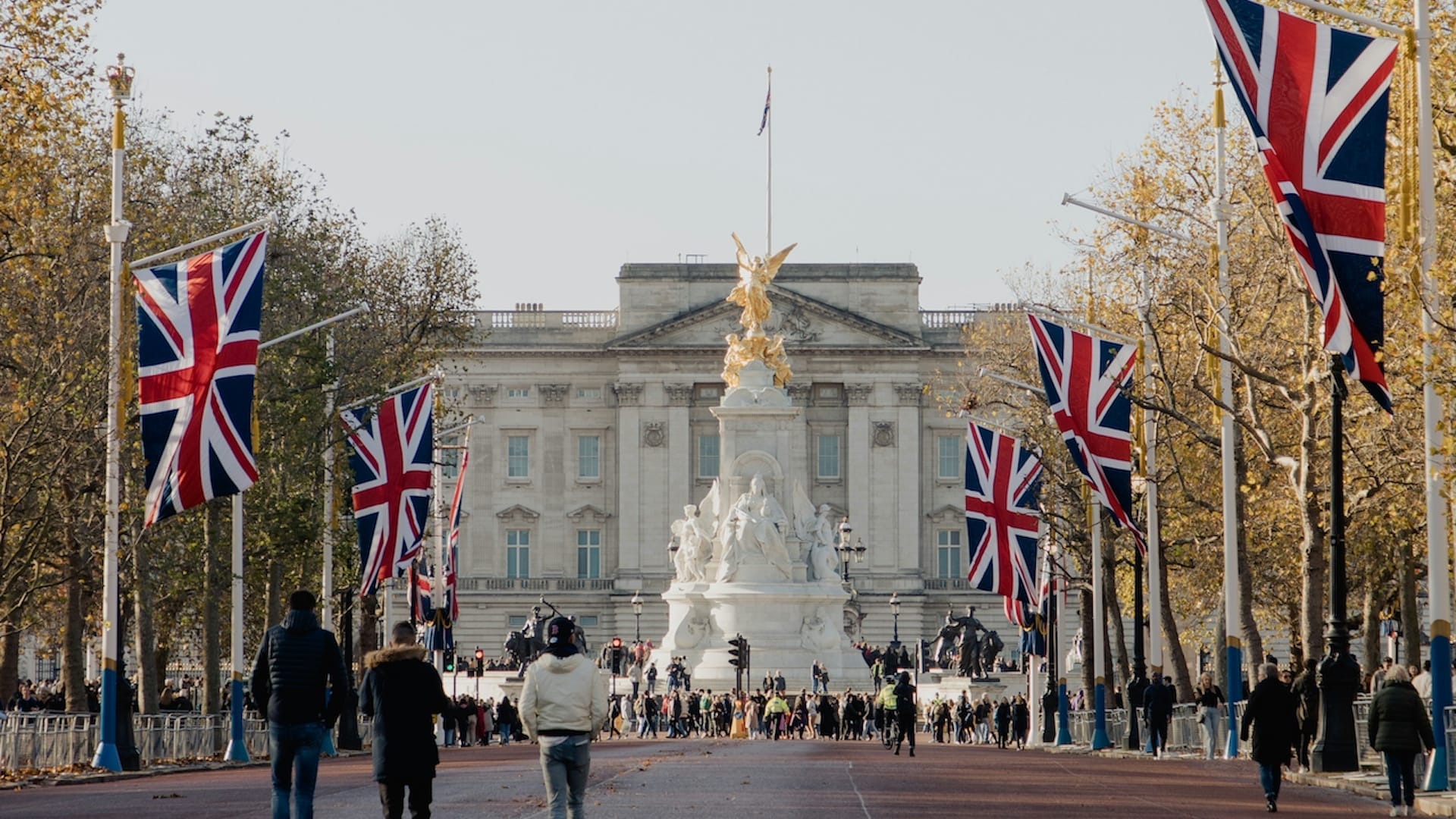
Steps to Getting an MBE

You cannot nominate yourself for an MBE. Someone who knows your work and achievements must put you forward. From nomination to announcement, it usually takes 12 to 18 months.

  1. Someone nominates you. A friend, colleague, family member or organisation submits a formal nomination detailing your achievements and their impact.
  2. Supporting letters are gathered. A minimum of two supporting letters are required from people with direct experience of your work. 
  3. The committee reviews your nomination. Independent experts and senior civil servants on the relevant honours sub-committee assess the evidence against the King’s Honours criteria.
  4. Checks and further enquiries. The committee may seek additional information or verify details before making their recommendation.
  5. Successful nominees receive a letter around six weeks before the list is published, and are announced in the King’s Birthday Honours List in June or the New Year Honours List in January, followed by an investiture ceremony at Buckingham Palace or one of the Royal households.

Watch: How To Get an MBE

This short video answers one of the most common questions about the MBE nomination process.


Thanks to Awards Intelligence for their expert support and guidance they gave my nominator, it was this that put me in the best possible position to be awarded my MBE at the King’s Birthday Honours this year. I was delighted.

Recipient of MBE, June 2025

What Is an MBE Awarded For?

The honours committees look for achievement or service that has made a significant, lasting difference and sets an example to others. In particular, they look for people who have:

  • Made a real difference to their community or field of work
  • Given long-term voluntary service
  • Shown innovation or entrepreneurship
  • Improved Britain’s reputation
  • Displayed moral courage

Celebrity honours often make the headlines in the media, but the MBE is not just for famous names. It is often awarded to people whose work goes largely unrecognised outside their community, from volunteers and carers to teachers, business owners and public servants. The nominee must still be actively involved in the work they are being nominated for, and paid work can only be recognised where they have gone above and beyond their role.

Key Facts About the MBE

If you’re still unsure about what the MBE award is, the key facts below cover all the essential information:

  • Full name: Member of the Most Excellent Order of the British Empire
  • Rank: The fifth class of the Order, below the OBE and above the British Empire Medal (BEM)
  • Founded: 1917, by King George V
  • Awarded each year: Around 800
  • Announced: The New Year Honours (1st January) and the King’s Birthday Honours (June)
  • Post-nominal letters: MBE
  • Title: None. The titles Sir and Dame come only with a knighthood or damehood
  • Presented at: An investiture ceremony at Buckingham Palace, Windsor Castle or another royal residence

How Do You Nominate Someone for an MBE?

To make a nomination for an MBE, you need to tell the Honours and Appointments Secretariat all about the nominee’s work and achievements in an official nomination document. The nomination itself must provide a thorough account of the nominee’s achievements, the impact of their work, and why their contribution stands out from their peers. It is not enough to simply list job titles or roles. The honours committee is looking for clear evidence that the nominee has gone above and beyond what is expected in their position over a sustained period.

Every nomination must also be accompanied by supporting letters from individuals with firsthand knowledge of the nominee’s work. These letters carry significant weight in the assessment process, and the quality of evidence they provide can make or break a nomination. You need to provide a minimum of two supporting letters for your nomination, although we would recommend between five and fifteen letters.

Nominations are submitted to the Honours and Appointments Secretariat at the Cabinet Office, along with the nominee’s name, age, address and contact details. Once submitted, you will receive an acknowledgement, but you may not hear anything further for 12 to 18 months while the nomination is reviewed and the nominee is checked by different government departments.


King’s Award for Enterprise


Make An MBE Nomination

Watch our short explainer on how to nominate someone for an MBE:


Awards Intelligence can help you nominate someone for an MBE or any other King’s honour award by professionally handling the whole nomination process for you. Anyone can be nominated to receive an MBE if they meet the necessary King’s Honour criteria. When you recommend someone for an award, it is not necessary to specify the name of the honour in your nomination, as this will be decided by the committee that assesses the nomination.

A nomination for an honour cannot be resubmitted year on year until the desired result is achieved. If your nomination is unsuccessful, you cannot re-nominate until a minimum of two years has passed, and then the nomination must show a significant difference from the first to be considered at all. We can make sure your nomination has the best possible chance of getting the right result from the start.

Learn More
About MBE Nominations

Access our brochure to learn about our approach to creating an MBE nomination and how our globally recognised service will give you the best chance of success.

I just wanted to send you a quick mail to thank you for helping us to compile the information for the awards nomination for my colleague. She received an MBE in the New Year honours and we were absolutely thrilled. She is absolutely delighted and so proud to have been nominated. I cannot thank you enough and have no hesitation in recommending your services to anyone. Once again a massive thank you from all of the staff.

From the colleague of the MBE recipient

97%

Feel we are value for money

2 in 3

Success rate

97%

Client satisfaction

I use Artificial Intelligence to bounce ideas between ChatGPT, Claude and Grok. I find them useful for helping organise thoughts, but they’re only ever tools. They certainly aren’t a substitute for experience or instinct. The reason I’ve engaged you is precisely because your judgement is the one I trust when it comes to producing a nomination that actually stands the best chance of success. That’s something no AI can do.

Honours Client, July 2026

Recent MBE Recipients

The 2026 New Year Honours and 2026 King’s Birthday Honours lists recognised remarkable individuals across a range of fields. Recent MBE recipients include:

  • Michelle Agyemang – For services to Association Football.
  • Gary McKee – Fundraiser. For services to Charity and to the community in Cleator Moor, Cumbria.
  • Dr Alys Cole-King – For services to Suicide Prevention.
  • Vanessa Claire Ford – Chief Executive, South West London and St George’s Mental Health NHS Trust. For services to Mental Health Nursing.
  • Andreas Antona – Founder, Bocuse d’Or UK Academy. For services to the Hospitality Sector and to Charity.
  • Louise Alder – Lyric Soprano. For services to Music.
  • Mark John Mair – Volunteer Chair, Morayvia Aerospace Centre. For services to Heritage, to Tourism and to the community in Moray.

From football and music to suicide prevention and community fundraising, these recipients showcase the diverse achievements the MBE celebrates. Each has made sustained contributions that go well beyond their professional duties, creating lasting positive change in their fields and communities. Discover the full list of recent MBE recipients in the official 2026 King’s Birthday Honours List and 2026 New Year Honours List.

MBE Case Study: Sujan

Sujan Katuwal is the sort of community hero that the Royal Honours system loves to recognise. His story is perhaps typical of the hundreds of people who are given Honours every year for going above and beyond to help others. His incredible efforts for the local community came to our attention at Awards Intelligence, and we were approached by a family member to prepare an MBE nomination. The more we discovered about Sujan’s achievements, the more impressed we were, and there was plenty of media coverage to support his many endeavours. In the King’s Birthday Honours List 2025, Sujan was honoured with a well-deserved MBE award.

Sujan said: “It’s honestly been such an honour receiving an MBE and coming on The King’s Birthday Honours List 2025. This has been possible because of our local community. Your support and love mean everything to us, and we vow to continue serving our community and the nation.”

MBE Frequently Asked Questions

Who can get an MBE?

Anyone can be nominated to receive an MBE so long as they meet the necessary King’s Honour criteria.

An MBE award can be given for all types of achievements, but it is often given in recognition of community achievements or for a local “hands-on” service that has set an example to others.

A BEM (British Empire Medal) can also be awarded for sustained local achievements and high-impact work of a shorter duration.

When you recommend someone for an award, it is not necessary to specify the name of the honour in your nomination, as this will be decided by the committee judging the nomination.

Examples of individuals with an MBE include:

  • Dr Andrea Joanne Cullen and Lorna Lee Armitage, co-founders of cyber security training company Capslock, were each appointed MBE for services to Cyber Security in the 2026 New Year Honours.
  • Margaret Peacock received an MBE for services to the community in Coleraine, County Londonderry, in the 2026 New Year Honours. Alongside a team of volunteers, she has spent 40 years providing Christmas Day lunches for people who would otherwise be isolated.

How can I get an MBE?

You can’t nominate yourself for an MBE, you can only be nominated for an MBE by someone else; for example a friend, family member or colleague who would like to see your achievements formally recognised with a King’s honour.

If someone would like to make a nomination for you, they can either do this themselves or they can enlist the help of Awards Intelligence to gather all the evidence, details and material for the nomination and give it the very best chance of success. We have probably drafted more successful nominations than anyone else in the world.

How hard is it to get an MBE?

Competition for an MBE is strong. On average, only around 10% of nominations are successful, as every nomination is assessed purely on the evidence it presents. How clearly it shows the nominee’s impact, and how their contribution stands out from their peers, makes a real difference. Our success rate is 68%.

When is the best time to make an MBE nomination?

As soon as possible! Honours nominations for MBEs are considered all year long. However, the honours process involves a consideration period of around 12 – 18 months from receipt of your nomination, and the nominee must still be involved in the service for which they are being nominated, so it is important to get the nomination in the queue as soon as possible.

Too many people wait to put forward their nomination and are disappointed when an unexpected change or delay prevents their nominee from getting the honour they deserve.

Any further achievements the nominee has during the consideration process can always be added to the existing nomination later on, so don’t delay your nomination because you are waiting for a project to finish or until the nominee retires or they may never get the award they deserve!

Who judges MBE nominations?

There are different honours committees available to judge nominations for specific types of work and achievement, (for example health, education or the economy) and the main Honours Committee who review all types of honours nominations.

The committees are made up of independent experts as well as senior civil servants, and it is these individuals who decide whether a person should receive an MBE, OBE, CBE, knighthood or damehood.

Will Awards Intelligence lobby for an honour for an individual?

Absolutely not. Awards Intelligence offers a highly professional service that is transparent, objective and fair. 

Awards Intelligence has never embarked upon a lobbying campaign and has no connection with any government department or committee.

The Awards Intelligence team work entirely independently from the government and any other group. It is always important to remember that honours are open to all, they cannot be bought.

We do not decide who should and shouldn’t be awarded an honour, however we will ensure that the nominee meets all the relevant criteria before offering to help with the nomination.

What should a nomination for an MBE look like?

An MBE nomination should accurately and persuasively inform the honours committees about the nominee’s roles, contributions and achievements.

An Awards Intelligence nomination does exactly this, maintaining an evidence-based, factual yet compelling approach at all times.

What are the benefits of getting an MBE?

Many nominees have reported that getting an MBE in recognition of their work has made a real difference to the work they are doing and to their lives:                         

  • Receiving an MBE can provide much needed positive publicity to the nominee’s chosen charity, community effort or profession, allowing them to build on their achievements and contribute even more to society
  • A raised personal profile and enhanced reputation is also enjoyed by many individuals with an MBE award.
  • MBE recipients may enjoy a greater degree of trust, respect and acceptance of their ideas, work and projects.
  • Attracting new business or personal opportunities may be another benefit of receiving an MBE.

How much does an MBE nomination cost?

Making an MBE nomination is free. Anyone can complete the official nomination form and submit it to the Honours and Appointments Secretariat themselves, and honours can never be bought.

If you would prefer expert support, Awards Intelligence can manage the whole nomination for you. On average, only around 10% of honours nominations are successful, while our success rate is 68%. Our Royal Honours drafting fees start at £4,900 + VAT. Every package includes a dedicated consultant, a professionally written nomination and letters of support. You can see the full breakdown on our Personal Recognition Fees page.

Does the nominee have to live in the UK?

To be nominated for an MBE the nominee must have gone above and beyond the call of duty in their work or community and benefitted others through their achievements, wherever these are.

Non-UK citizens can be considered for an honour for their work within the UK.

UK citizens can be considered for achievements that either benefit UK citizens at home or abroad, or if they bring distinction to the UK through their work.

Nominees living abroad can be nominated through the Foreign Secretary’s Overseas List. The List is made up of awards given to UK citizens and citizens of a Commonwealth country of which HM The King is Head of State.

A nomination can be made for professional achievements, business triumphs, personal expertise, charitable or volunteer commitments – in short, anything that demonstrates a positive impact and influence on peers, the community or society as a whole.

How many people a year receive an MBE?

Around 800 people in total receive an MBE every year!

MBE awards are given out twice a year – in the King’s Birthday Honours List in June and in the New Year’s Honours List on the 1st January.

MBE recipients are then invited to attend an investiture ceremony at either Buckingham Palace or one of the Royal households, where they will receive their MBE medal from The King or his representative from The Royal Family.

If Awards Intelligence writes my nomination will it guarantee an honour?

No. Every single nomination is considered by the appropriate honours committee and will only be judged on the merit of the candidate’s achievements – not on who the nominator is, or on who drafted the nomination. 

The Cabinet Office are aware when a nomination has been professionally drafted and ensure that all nominations are considered equally. 

Awards Intelligence will make sure your nominee has the best chance of being awarded the recognition they deserve by putting their case forward in the most compelling, appropriate and relevant manner.

Can I use Artificial Intelligence (AI) to write an MBE nomination?

Artificial intelligence (AI) tools such as ChatGPT or Gemini can be useful for organising your thoughts or summarising information. What they can’t do is produce a nomination capable of standing out to the honours committee. A successful MBE nomination is built on detailed research into the nominee’s achievements, supporting letters that we gather by contacting and liaising with each supporter directly, and the judgement to present it all in the most compelling way. These are things AI simply can’t do.

Who has Awards Intelligence helped to get an MBE?

We will never knowingly divulge whose nominations have been professionally produced. All of our services are treated with a high level of discretion and we will treat your nomination with the same level of confidentiality.

We constantly receive feedback from our happy clients, for example:

“Just wanted to say a big thank you to you and your team for delivering a fantastic nomination for… He was delighted to receive an MBE and when I showed him a copy of the nomination he was bowled over. It was the best birthday present I could ever have arranged for my father.”

You can see more examples of our happy clients’ testimonials here.

What is the difference between the king's honour levels; MBE, OBE, CBE, KBE, DBE?

When you make a nomination it is not necessary to stipulate which level of honour you think the nominee deserves. However it can be helpful to understand the level of award they may be eligible to be considered for: 

In short, levels tend to be considered according to the spread of the nominee’s work and achievements, for example; the BEM and MBE are mainly awarded for local, hands-on achievement; the OBE and CBE tend to be awarded for work and achievements that have had a wider impact on society, for example, influencing a profession, industry, region or nation; and a knighthood or damehood is the highest level of award given for the widest impact, for example an inspirational impact on a profession, industry, country, or charitable cause. 

Will a criminal record affect a nomination?

A criminal record will not prevent a person from being considered for an MBE or any other level of honour, so long as there is no outstanding issue.

Showing how the nominee has turned their life around and used their experience in a positive way can make for a great nomination and there are many examples of people who have done just this and gone on to receive an honour for their achievements. 

I want to get my nomination in the queue, how do we get started?

To start your MBE nomination we simply need to make sure the nominee meets all the requirements of the King’s honours criteria. Simply call Awards Intelligence on 01444 230130 or email enquiries@awardsintelligence.co.uk for your free honours assessment.

Download
our brochure

Our brochure sets out our services, our approach to crafting an honours nomination, and how our globally recognised experts will give you the best chance of success.